





How to Travel Europe the Smart Way: A Practical Guide for Cultural Travelers
Europe is not a single destination.
It is a collection of cultures, languages, traditions, and centuries of history layered side by side.
You can cross a border in two hours — and feel like you’ve entered a different world.
But here’s the truth:
Most travelers experience Europe in a rush.
Too many cities.
Too many landmarks.
Too little depth.
If you want to travel Europe intelligently — not just visit it — planning differently makes all the difference.
Below is a practical, experience-focused guide to help you travel Europe the smart way.
1. Choose the Right Season (It Changes Everything)
Many people automatically book July or August.
That is usually the most expensive — and most crowded — time to visit Europe.
Peak summer often means:
- Higher hotel prices
- Long entrance lines
- Overheated cities in Southern Europe
- Overtourism in major capitals
Instead, consider:
April to June — Mild weather, blooming landscapes, fewer crowds
September to October — Harvest season, food festivals, softer light, better availability
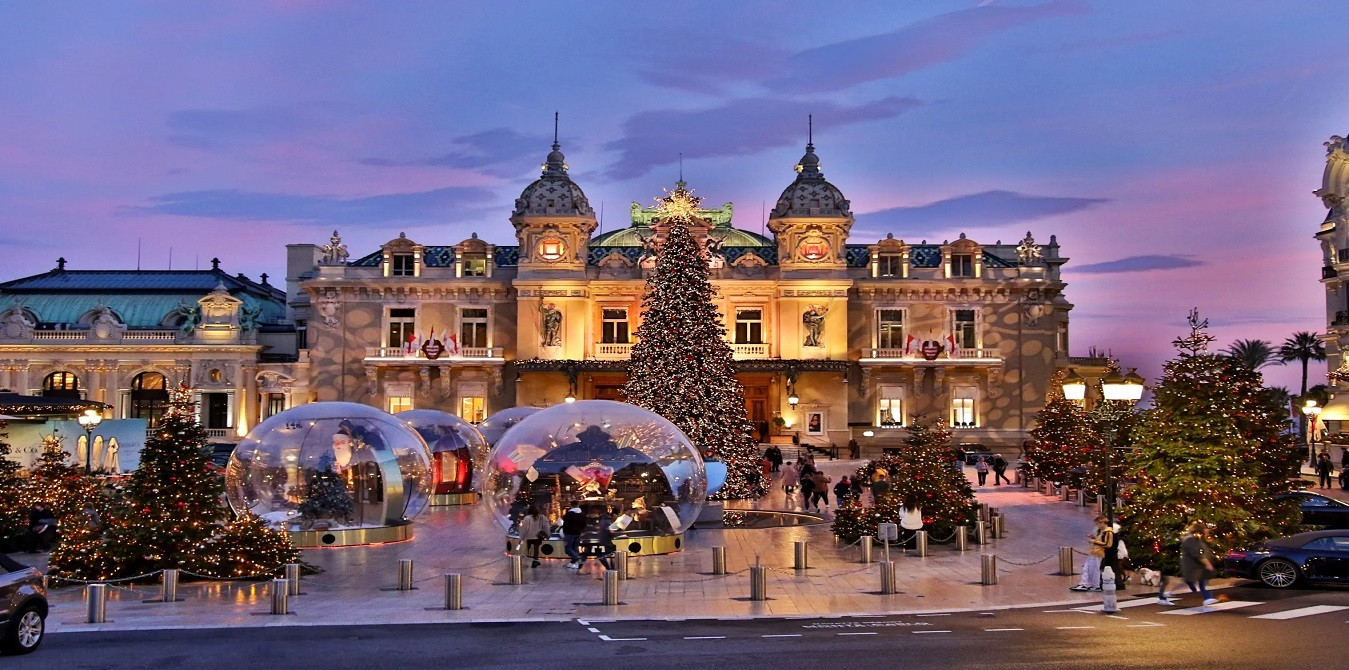
Winter can also be magical in cities like Vienna, Prague, or Budapest — especially during Christmas markets.
Smart travel starts with smart timing.
2. Don’t Try to “See All of Europe”
Europe is compact — but it is not small.
Trying to visit 5 or 6 countries in 10 days creates exhaustion, not enrichment.
Instead:
- Focus on one region
- Explore cities deeply
- Allow space between destinations
For example:
Northern Italy alone can fill a meaningful 10-day journey.
Southern Spain offers architecture, gastronomy, and history without crossing borders.
Depth always beats speed.
3. Understand Transportation Before You Arrive
Europe has excellent transportation — but systems vary by country.
Key tips:
- Book high-speed trains in advance (Italy, France, Spain)
- Check baggage limits on low-cost airlines
- Don’t assume rental cars are necessary in historic cities
Many European city centers are walkable and car-restricted.
In places like Florence or Barcelona, walking reveals more than driving ever will.
4. Budget Smartly (Europe Isn’t Cheap — But It Can Be Efficient)
Western and Northern Europe tend to be more expensive.
Central and Eastern Europe often offer better value.
General patterns:
- Scandinavia → High cost
- Switzerland → Very high cost
- Italy / Spain / Portugal → Moderate
- Poland / Hungary / Romania → Budget-friendly
Ways to travel smarter:
- Travel in shoulder seasons
- Stay in locally owned boutique hotels
- Eat where locals eat (avoid restaurants near major landmarks)
- Use public transportation
Smart budgeting is about efficiency — not cutting quality.
5. Respect Cultural Differences
Europe may feel familiar — but cultural norms vary widely.
Examples:
- Punctuality matters in Germany and Switzerland
- Meals are slower in Italy and Spain
- Tipping customs differ by country
- Sunday closures are common in parts of Europe
Learning simple local greetings builds connection immediately.
Small gestures create richer experiences.
6. Avoid the Overtourism Trap
Cities like Venice, Barcelona, and Paris receive millions of visitors each year.
To experience them more meaningfully:
- Visit landmarks early in the morning
- Explore residential neighborhoods
- Travel outside peak months
- Consider secondary cities
Instead of only Venice, explore Verona or Bologna.
Instead of only Paris, consider Lyon or Strasbourg.
Europe’s depth extends far beyond its most photographed landmarks.
7. Consider Small-Group Cultural Travel
Independent travel is possible in Europe — but logistics across regions can become complex.
Small-group journeys offer:
- Local cultural insight
- Seamless intercity transportation
- Curated food and artisan experiences
- Balanced structure with free time
The key is scale.
Groups of 2–12 travelers allow access and flexibility — without the rigidity of large bus tours.
Europe rewards intimacy.
8. Travel Slower to Experience More
The most memorable European moments rarely happen at monuments.
They happen:
- In neighborhood cafés
- At local food markets
- During vineyard tastings
- In conversation with local guides
Leave space in your itinerary.
Allow curiosity to shape your day.
Travel should feel immersive — not rushed.
Final Thought: Europe Is Not a Checklist
Europe is layered.
Every region carries its own identity, traditions, and artistic expression.
If you choose the right season, pace your journey thoughtfully, respect local culture, and allow depth instead of speed — your experience will be profoundly different.
Travel smarter.
Travel deeper.
Experience Europe beyond the surface.
Ready to Experience Europe Differently?
Explore our curated small-group journeys across Europe and discover cultural depth beyond the tourist trail.
Explore Europe Tours →
FAQs
The best time is typically April to June and September to October, when the weather is pleasant and tourist crowds are smaller.
It depends on the region. Western and Northern Europe are generally more expensive, while Central and Eastern Europe offer better value for money.
It’s better to focus on one or two regions rather than trying to see too many countries in a short period. Slower travel provides deeper experiences.
Yes, especially for cultural travelers who want curated experiences, smooth logistics, and access to local insights without the scale of large tour groups.